
.avif)
Guaranteed to teach you things you never knew.
December 2025
We Don’t Just Inherit Judaism Through Books — We Inherit It Through Voices
By Rabbi Ellie Miller
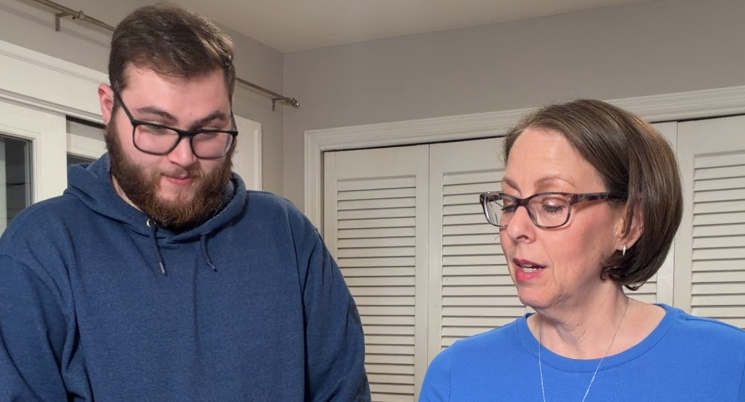

As a Rabbi, I spend much of my life sitting with families, listening to the stories they tell about the people they love. Sometimes those stories come pouring out. Other times they arrive more slowly, wrapped in hesitation or grief. What has become clearer to me over the years is this: our family histories are fragile. Not because they are unimportant, but because they live inside human beings — and human beings do not last forever.
My own understanding of this began with my grandfather.
The stories he told, and the stories he couldn’t
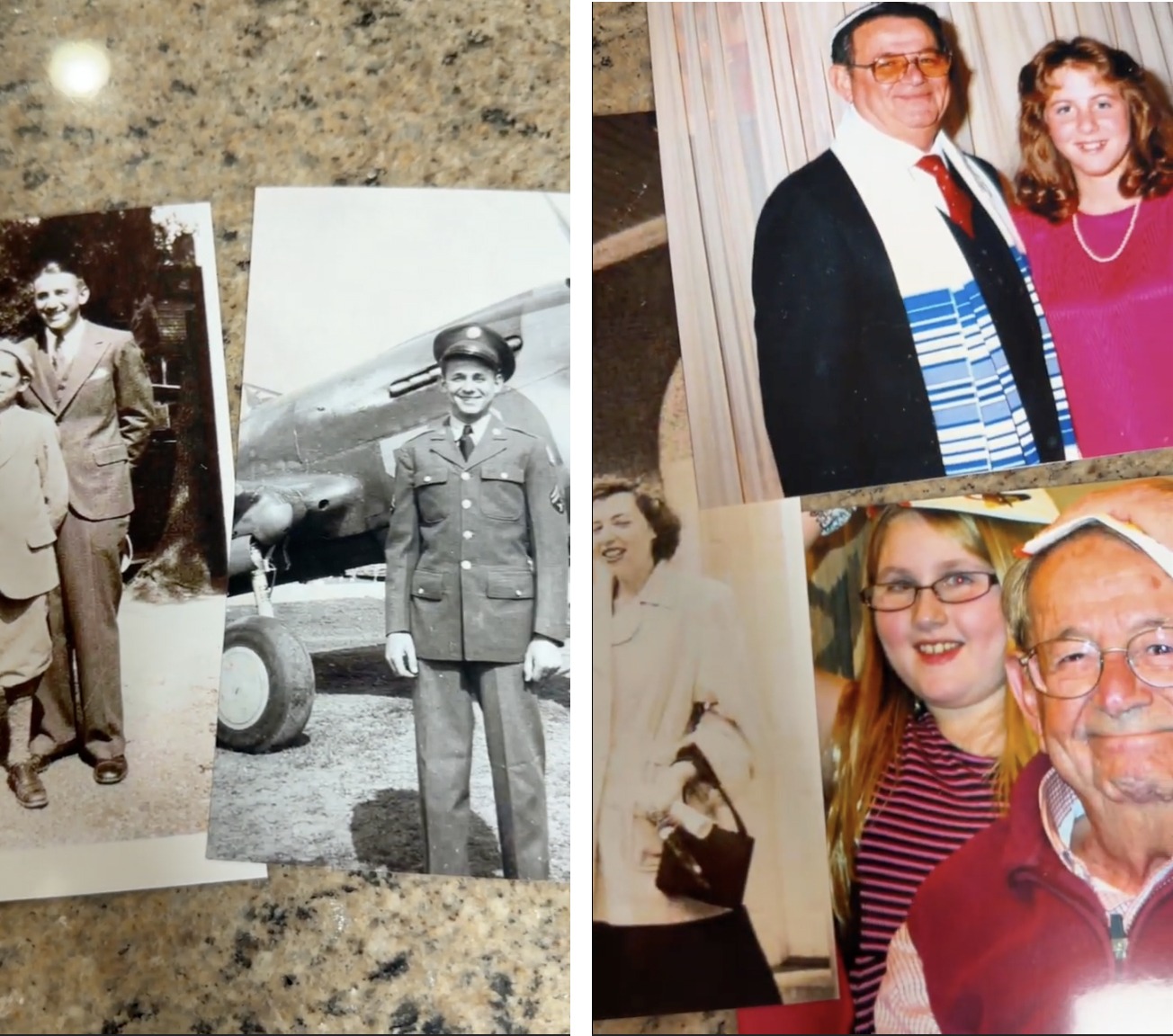
My grandfather served in the U.S. Air Force during World War II as an airplane mechanic. The stories he shared with us were full of adventure — traveling through the Middle East, learning bits of Italian and Arabic, meeting people everywhere he went. He could be in a country for a week and still manage to speak just enough of the language to make a friend.
But the darker parts, the losses in our family from the Holocaust, the things he carried but didn’t speak about, were held in silence. His parents and a few relatives made it out in time. The rest of the extended family did not. That kind of loss shapes a family in ways that sometimes go unspoken, but never unfelt.
It wasn’t until the Shoah Foundation interviewed him that he ever told the full version of what he saw. That recording is one of the greatest gifts our family has. It is the only place where his whole truth lives.
Both of my grandparents have passed — my grandmother at 78, my grandfather at 99. I feel grateful not only that I knew them, but that pieces of their story survived. Not just in archives or documents, but in the oral tradition that has always sustained our people.
Judaism has always lived through memory
The preservation of our elders’ stories is not an optional practice in Judaism. It is the heart of who we are.
We are a people commanded to remember — from Torah to Yizkor, from Passover to Yom HaShoah. Our history is not a list of dates. It is a lineage of lived experiences, carried from one generation to the next. It's about identity. My great-grandfather was Orthodox, and his Passover seders were full of tradition but also personality. The story of my grandfather and his brothers secretly passing a bottle under the table has made its way down through generations, and now both my great-grandfather’s piousness and my grandfather’s and uncles’ irreverence are a part of who we are as a family — how we observe holidays and how we live our lives.
Our stories connect us — not just to our ancestors, but to our ethics, our humor, our losses, and our resilience. They create continuity where history alone cannot.
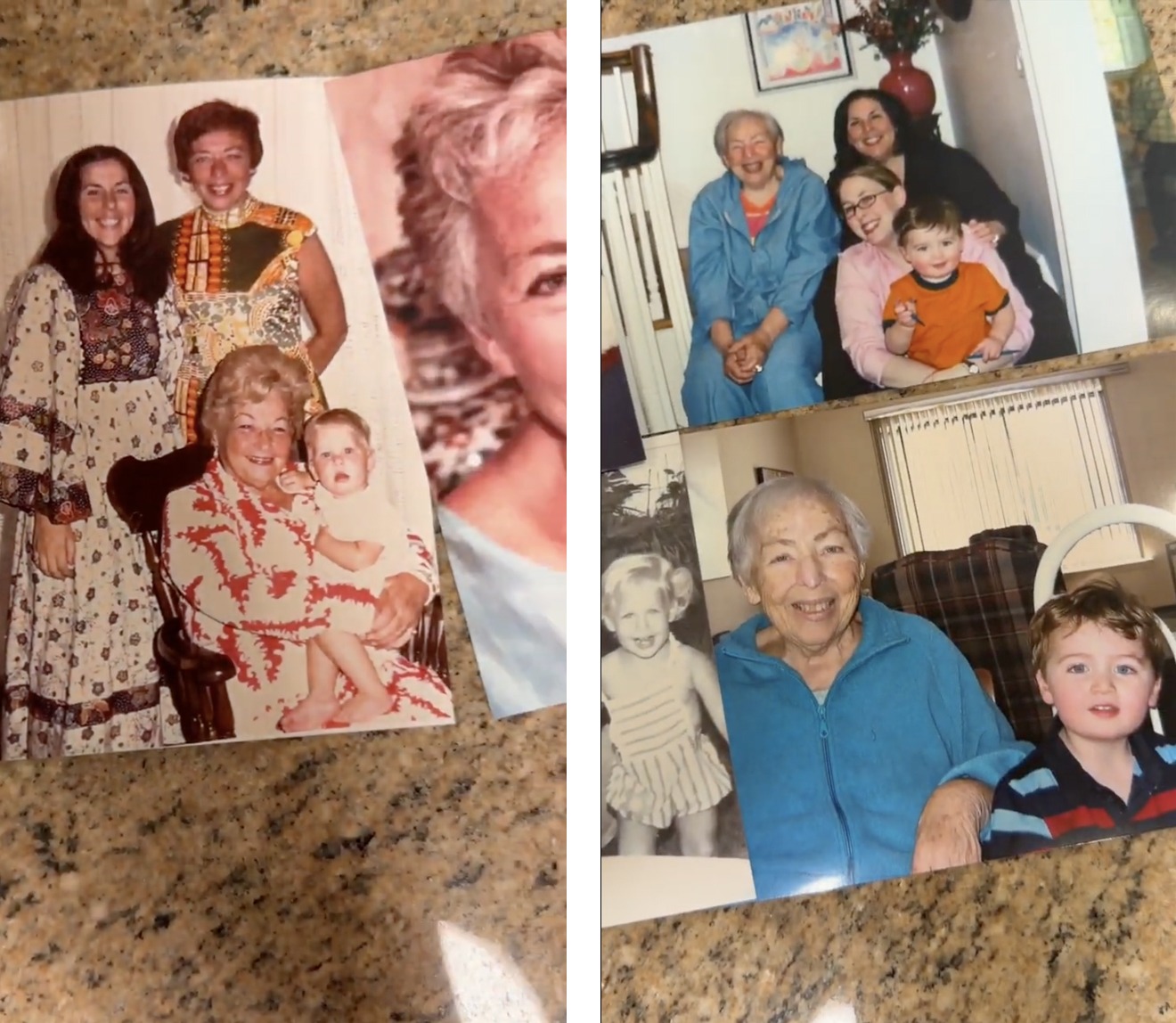
In my own family, that tradition continues. My grandmother died when my son was two. He doesn’t remember her, but five of the eleven great-grandchildren are named after her. We tell her stories constantly — the way she laughed, the strength she carried, the things she taught us without ever calling them lessons. This is how she stays alive for our children.
As a rabbi, I often meet people for the first time after they’ve died — through the memories their families offer me. It is sacred work. And it has taught me that if we don’t pass these stories along, they end with us. If we do, they become the inheritance that shapes generations.
.jpg)
Why I started recording my mother’s story
For years, I kept thinking about how much of my family’s history could have been lost if my grandfather had never sat for that Shoah Foundation interview. And I thought about my kids — someday, God willing, my grandkids — and what I want them to know, not only about their ancestors but about the sound of the people they came from.
Because we don’t just inherit Judaism through books. We inherit it through voices. Through the way someone tells a story, the laugh before the punchline, the accent, the warmth.
That is why I began using Remento to record my mother’s stories. Each week, she receives a prompt on her phone and simply speaks, the way she would at our dinner table. No writing, no preparation — just her voice, her memories, her way of remembering.
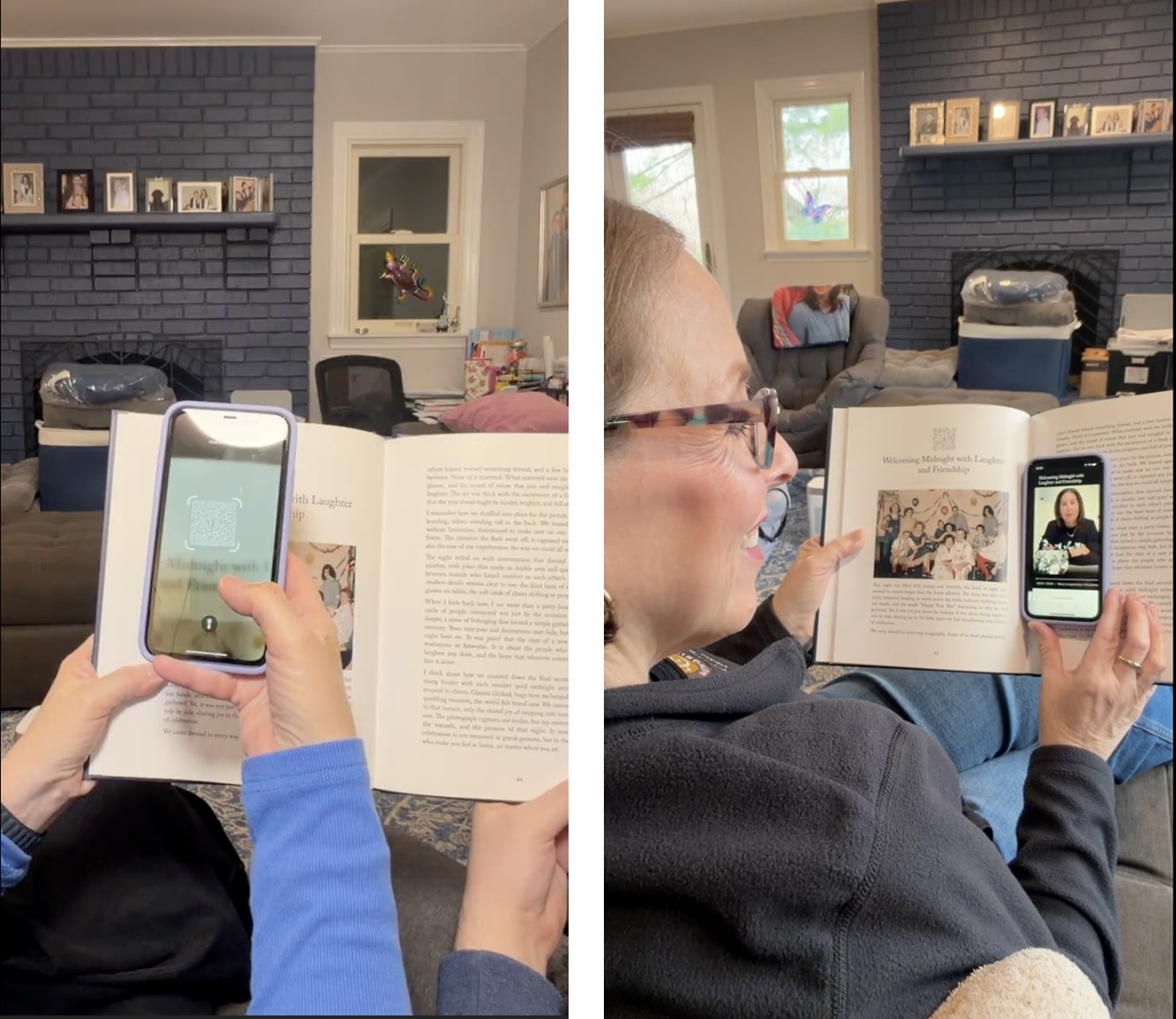
Remento transforms those recordings into beautifully written stories and prints them in a hardcover book, but what moved me most were the QR codes. When my children open that book years from now, they won’t only read her words, they will hear her voice. Her cadence, her emotion, her presence. She will sit with them long after she cannot sit beside them.
For a people who have survived because of memory, because of telling and retelling, that is priceless.
The legacy we choose to preserve
If I were giving a sermon on this, I would say what I believe with my whole heart:
We do not inherit our Jewish identity from history books. We inherit it from the voices of those who came before us.
Our parents and grandparents are the living Torah of our families. When we ask, when we listen, when we preserve their stories, we are doing more than honoring them. We are ensuring that the chain of memory — the one that has carried our people from Abraham to today — remains unbroken.
If your parents are still here, ask them to tell their stories.
If your grandparents are still here, ask them twice.
Memory fades. But their voices do not have to.
Preserve your family’s stories before they’re lost
Remento makes it simple for anyone to record their memories on video or audio without any apps, logins, or technical setup. Each week, your storyteller receives a thoughtful prompt and speaks their answer naturally. Remento transforms those recordings into written stories and prints them in a keepsake book that includes QR codes so future generations can hear the original recordings in your loved one’s own voice.
Their stories, forever at your fingertips
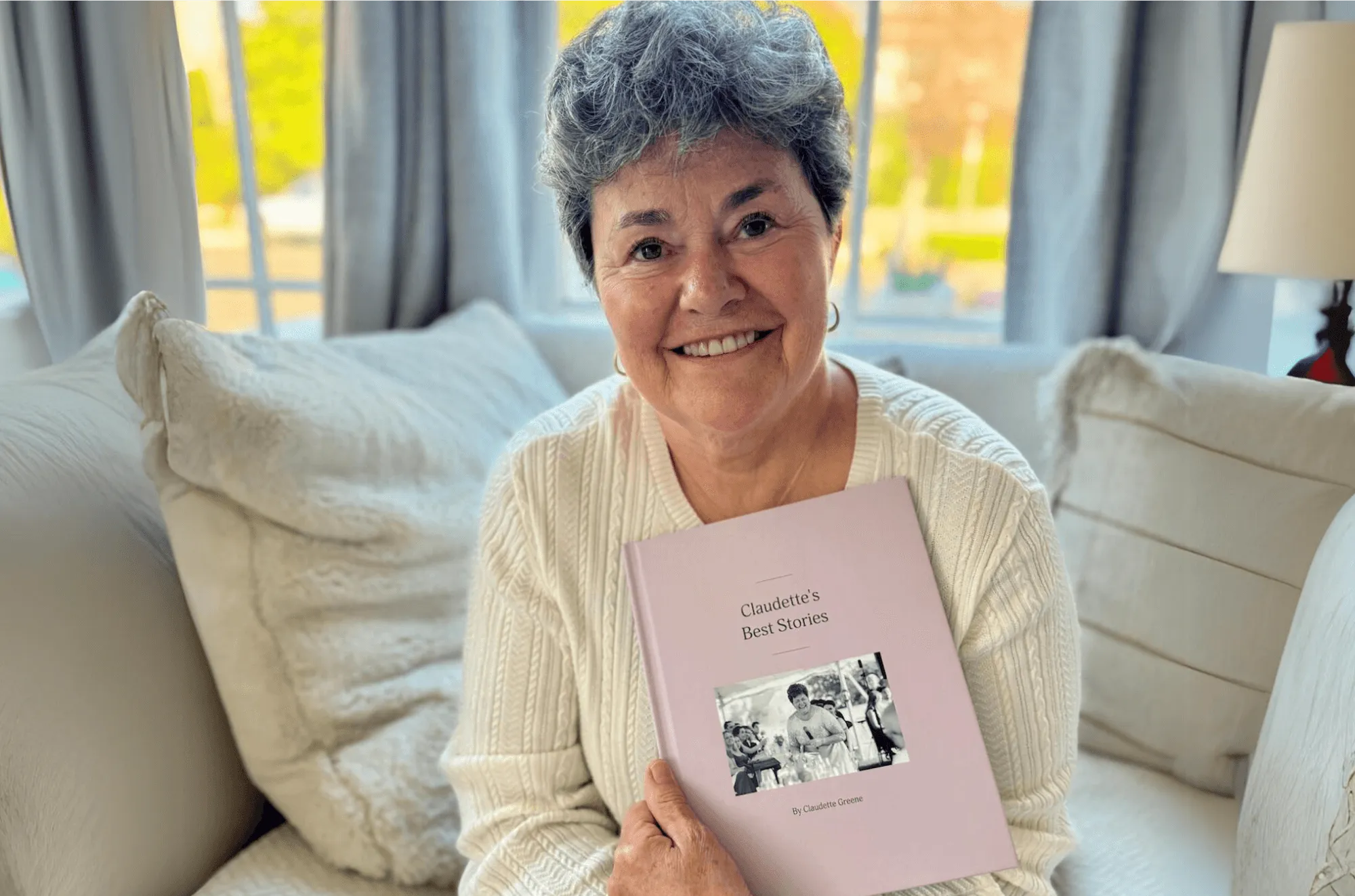
Remento’s life story books turn a parent or grandparent’s memories of the past into a keepsake book for the future - no writing required.
Capture priceless family memories today
Join the thousands of families using Remento to preserve family history, all without writing a word.