
.avif)
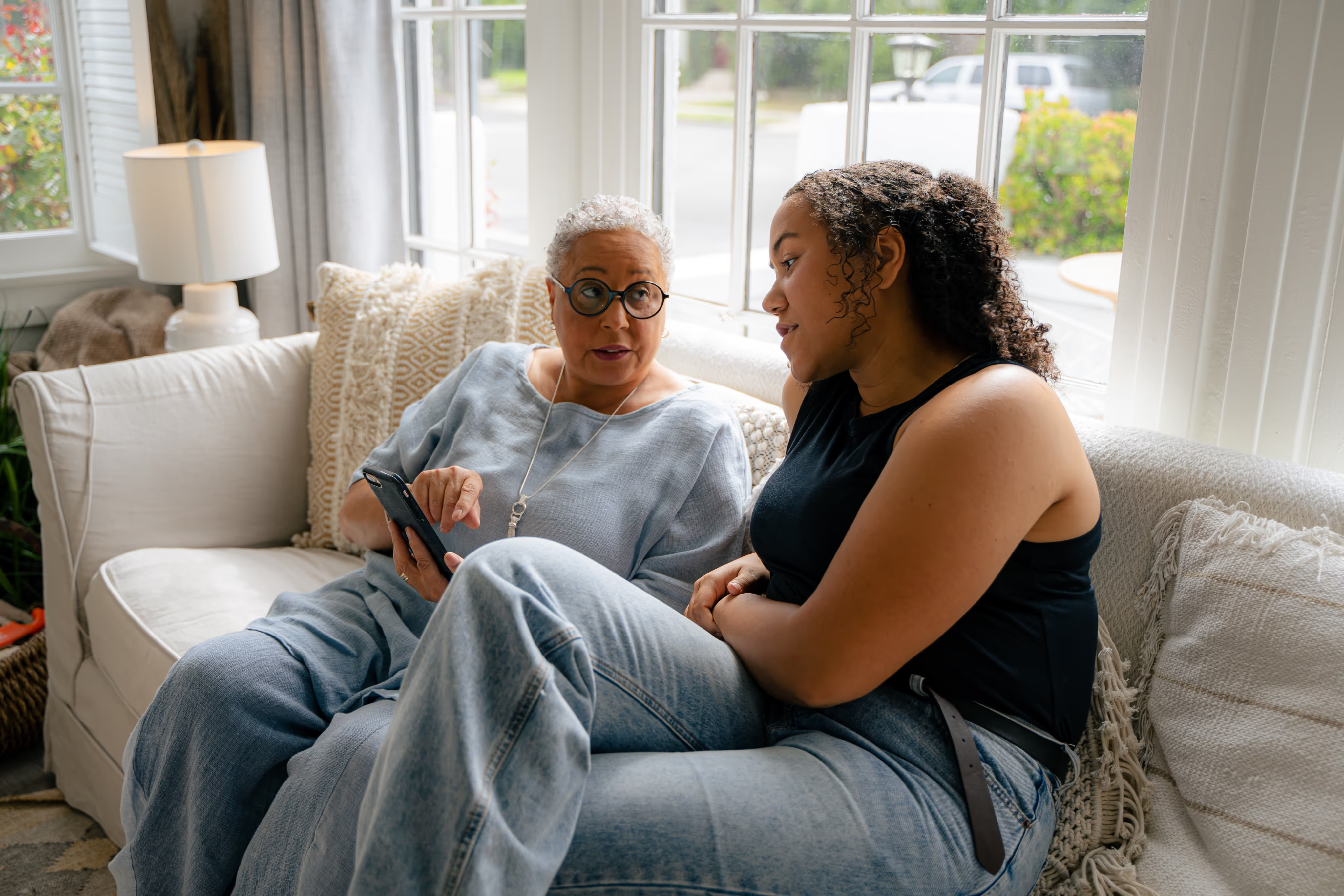
Guaranteed to teach you things you never knew.
July 2025
This is a test blog post
A test


In an age where digital transformation touches every aspect of our lives, the way we preserve and share family memories is evolving dramatically. Gone are the days when photo albums and handwritten letters were our only options for keeping family stories alive. Today's technology offers unprecedented opportunities to capture, preserve, and share the rich tapestry of our family histories in ways that would have seemed magical to previous generations.
The Evolution of Memory Keeping
From Cave Paintings to Cloud Storage
Human beings have always been storytellers. Our ancestors painted their experiences on cave walls, carved stories into stone tablets, and passed down oral traditions through generations. The fundamental human need to preserve and share experiences hasn't changed, but our methods certainly have.
Traditional Methods of Memory Preservation
Traditional approaches to memory keeping included:
- Physical photo albums with carefully arranged pictures and handwritten captions
- Handwritten letters and postcards saved in boxes and drawers
- Family Bibles with genealogical information recorded in margins
- Oral storytelling passed down during family gatherings
- Home movies captured on film reels and later VHS tapes
The Digital Revolution's Impact
The digital age brought significant changes to how we document our lives:
- Digital cameras made photography more accessible and affordable
- Social media platforms enabled instant sharing of moments
- Cloud storage provided virtually unlimited space for photos and videos
- Smartphones put professional-quality recording equipment in everyone's pocket
- AI technology began offering new ways to organize and search through memories
This is a quote from someone really, really smart Human beings have always been storytellers. Our ancestors painted their experiences on cave walls, carved stories into stone tablets, and passed down oral traditions through generations.
The Challenge of Digital Overwhelm
While technology has made capturing memories easier, it has also created new challenges. The average smartphone user takes over 1,000 photos per year, yet studies show that most people rarely revisit these digital memories. The sheer volume of content we create can become overwhelming, leading to what researchers call "digital memory overload."
Why Family Stories Matter More Than Ever
The Science Behind Storytelling
Recent research in psychology and neuroscience has revealed fascinating insights about the power of family narratives. Dr. Robyn Fivush from Emory University has spent decades studying how family stories impact individual and collective well-being.
This is a quote from someone really, really smart Human beings have always been storytellers. Our ancestors painted their experiences on cave walls, carved stories into stone tablets, and passed down oral traditions through generations.
Recent research in psychology and neuroscience has revealed fascinating insights about the power of family narratives. Dr. Robyn Fivush from Emory University has spent decades studying how family stories impact individual and collective well-being.
Psychological Benefits of Family Storytelling
Enhanced Identity Development
Children who know their family stories develop stronger personal identities. Key benefits include:
- Increased self-esteem and confidence
- Better emotional regulation during challenging times
- Stronger sense of belonging within the family unit
- Improved problem-solving skills based on family examples
- Greater resilience when facing adversity
Intergenerational Connection
Family stories create bridges between generations:
- Grandparents feel valued when their experiences are preserved
- Parents gain perspective on their own childhood experiences
- Children develop appreciation for family history and values
- Extended family members feel more connected to the larger family narrative
The Neuroscience of Memory and Story
Modern brain imaging techniques have shown that when we hear stories, multiple areas of our brain activate simultaneously. This neural coupling helps explain why stories are such powerful tools for learning and memory retention.
How Stories Affect the Brain
Memory Consolidation
Stories help consolidate memories through:
- Emotional engagement that strengthens memory pathways
- Narrative structure that provides organizational frameworks
- Repetition that reinforces important information
- Personal relevance that makes memories more meaningful
Empathy Development
Listening to family stories activates the same brain regions involved in experiencing events firsthand, helping develop:
- Emotional intelligence
- Perspective-taking abilities
- Social understanding
- Cultural awareness
The Modern Family's Memory Challenges
Geographic Dispersion
Today's families are more geographically dispersed than ever before. Long-distance relationships between family members create unique challenges for maintaining connections and sharing stories.
Impact of Distance on Family Bonds
Research shows that families separated by distance often struggle with:
- Reduced frequency of meaningful conversations
- Limited opportunities for spontaneous story sharing
- Difficulty maintaining emotional closeness across generations
- Challenges in transmitting cultural traditions and values
Technology as a Bridge
Digital tools can help overcome geographic barriers:
- Video calling enables face-to-face conversations regardless of distance
- Shared digital albums allow family members to contribute photos and stories
- Messaging apps facilitate ongoing communication throughout the day
- Virtual reality technologies offer immersive shared experiences
Time Constraints and Busy Lifestyles
Modern life's pace often leaves little time for the slow, deliberate process of story sharing that previous generations enjoyed.
The Rush of Daily Life
Common time pressures include:
Work-Related Demands
- Longer working hours and increased job responsibilities
- Commuting time that reduces family interaction
- Business travel that creates physical separation
- Work-from-home challenges that blur boundaries between work and family time
Family Scheduling Complexities
Modern families juggle numerous commitments:
- Children's extracurricular activities and sports schedules
- Educational demands including homework and tutoring
- Social obligations and community involvement
- Healthcare appointments and routine maintenance
- Household management tasks and responsibilities
Digital Native Generations
Children growing up in the digital age have different relationships with technology and storytelling than their parents and grandparents.
Generational Differences in Communication
Traditional Storytellers (Born 1920-1945)
- Prefer face-to-face conversations and written correspondence
- Value detailed narratives with rich contextual information
- Often hesitant to embrace new technologies
- Possess irreplaceable historical perspectives from major world events
Baby Boomers (Born 1946-1964)
- Bridge between traditional and digital communication methods
- Increasingly comfortable with email and social media
- Often serve as family historians and story keepers
- May struggle with more advanced digital tools
Generation X (Born 1965-1980)
- Experienced the transition from analog to digital
- Comfortable with multiple communication platforms
- Often caught between caring for aging parents and raising children
- Value efficiency in communication tools
Millennials (Born 1981-1996)
- Digital natives who grew up with evolving technology
- Prefer multimedia storytelling with photos, videos, and text
- Comfortable sharing personal information online
- Often overwhelmed by the volume of digital content they create
Generation Z (Born 1997-2012)
- Mobile-first generation with short attention spans
- Prefer visual communication over text-heavy formats
- Value authentic, unfiltered content
- May lack patience for traditional long-form storytelling
The Rise of Digital Storytelling Platforms
Understanding the Digital Storytelling Landscape
The digital storytelling market has exploded in recent years, with platforms catering to various needs and preferences.
Categories of Digital Storytelling Tools
Professional Storytelling Services
These services typically include:
- Dedicated story collectors who conduct professional interviews
- High-quality audio and video production
- Professional editing and post-production
- Customized delivery formats including books, documentaries, and digital archives
- Premium pricing reflecting the personalized service
Self-Service Digital Platforms
Self-service options offer:
- User-friendly interfaces for recording and organizing stories
- Guided prompts to help generate story ideas
- Basic editing tools for enhancing recordings
- Sharing capabilities with family members
- Affordable pricing for budget-conscious families
Social Media and Community Platforms
General-purpose platforms adapted for storytelling:
- Facebook's "On This Day" feature for revisiting memories
- Instagram Stories for sharing daily moments
- YouTube for longer-form video storytelling
- TikTok for creative, short-form content
- Private family apps for secure story sharing
Key Features of Effective Storytelling Platforms
User Experience Design
Intuitive Navigation
Successful platforms prioritize ease of use with:
- Simple, clean interfaces that don't overwhelm users
- Clear navigation that makes finding features effortless
- Responsive design that works across devices
- Accessible features for users with varying technical skills
Guided Story Creation
Prompt Systems
Effective platforms provide:
- Thoughtful questions that inspire meaningful stories
- Themed collections focusing on specific life periods or topics
- Progressive disclosure that gradually introduces more complex features
- Customizable prompts that adapt to individual family situations
Recording Assistance
Technical support includes:
- Audio quality optimization to ensure clear recordings
- Video stabilization for smooth visual content
- Noise reduction to minimize background distractions
- Format compatibility across different devices and platforms
Content Organization and Discovery
Tagging and Categorization
Robust organization systems feature:
- Automatic tagging based on content analysis
- Manual tagging options for user customization
- Hierarchical categories for logical story grouping
- Search functionality to quickly locate specific content
Timeline Integration
Chronological Organization
Timeline features help users:
- Visualize family history across decades or centuries
- Identify gaps in the family narrative
- Connect related stories from different time periods
- Track family milestones and important events
Cross-Generational Linking
Advanced platforms enable:
- Multi-generational storytelling with contributions from various family members
- Relationship mapping that shows connections between family members
- Legacy continuation where stories build upon previous generations
- Collaborative editing for family-wide story development
Privacy and Security Considerations
Data Protection in Family Storytelling
Personal Information Security
Family stories often contain sensitive information requiring protection:
- Personal identifying information including full names, addresses, and birthdates
- Financial details from family business or inheritance stories
- Medical information that could affect insurance or employment
- Legal matters including immigration status or past legal issues
Platform Security Measures
Encryption and Data Storage
Reputable platforms implement:
- End-to-end encryption for all uploaded content
- Secure cloud storage with multiple backup locations
- Regular security audits by third-party specialists
- Compliance with data protection regulations like GDPR and CCPA
Access Control Features
User control options include:
- Granular privacy settings for individual stories or collections
- Family member permissions with different access levels
- Time-limited sharing for temporary access to specific content
- Download restrictions to prevent unauthorized copying
Ethical Considerations in Digital Storytelling
Consent and Permission
Ethical storytelling requires consideration of:
- Explicit consent from all individuals featured in stories
- Posthumous representation guidelines for deceased family members
- Minor protection policies for children's stories and images
- Cultural sensitivity when sharing stories from different backgrounds
Digital Legacy Planning
Account Management After Death
Platforms should provide:
- Digital estate planning tools for account succession
- Legacy contact designation for family access
- Content preservation guarantees beyond account holder's lifetime
- Deletion options for families who prefer privacy
Long-Term Accessibility
Considerations for future access include:
- Format migration to ensure stories remain accessible as technology evolves
- Platform longevity and business continuity planning
- Export capabilities to prevent vendor lock-in
- Standards compliance for cross-platform compatibility
Best Practices for Digital Family Storytelling
Planning Your Family Story Project
Defining Goals and Scope
Identifying Story Priorities
Before beginning, consider:
- Which family members have the most urgent stories to capture
- What time periods are most important to document
- Which themes resonate most strongly with your family
- How much time you can realistically dedicate to the project
Setting Realistic Expectations
Timeline Considerations
Successful projects typically involve:
- Gradual story collection over months or years rather than rushed sessions
- Regular recording schedules that become part of family routine
- Flexible deadlines that accommodate family members' availability
- Milestone celebrations to maintain motivation throughout the process
Quality vs. Quantity Balance
Finding the right balance means:
- Prioritizing meaningful stories over comprehensive documentation
- Accepting imperfect recordings rather than waiting for ideal conditions
- Focusing on emotional content rather than technical perfection
- Encouraging participation even from reluctant family members
Technical Preparation
Equipment and Setup
Recording Equipment Options
Professional Equipment
For high-quality results:
- Dedicated microphones for superior audio clarity
- Professional cameras for high-resolution video
- Lighting equipment for well-lit recordings
- Editing software for post-production enhancement
Consumer-Friendly Alternatives
Accessible options include:
- Smartphone apps with built-in recording optimization
- USB microphones that plug directly into computers
- Ring lights for improved video lighting
- Free editing software for basic post-production
Environmental Considerations
Optimal Recording Conditions
Create the best environment by:
- Choosing quiet spaces with minimal background noise
- Using soft furnishings to reduce echo and reverberation
- Ensuring comfortable seating for extended recording sessions
- Managing lighting to avoid harsh shadows or glare
Backup Plans
Prepare for common issues:
- Multiple recording options in case primary equipment fails
- Alternative locations if the ideal space becomes unavailable
- Flexible scheduling to accommodate unexpected disruptions
- Cloud backup systems to prevent data loss
Interview Techniques for Family Stories
Creating Comfortable Conversations
Building Rapport
Successful story collection requires:
- Starting with easy topics to help storytellers feel comfortable
- Showing genuine interest in responses and follow-up questions
- Sharing your own memories to encourage reciprocal sharing
- Respecting boundaries when sensitive topics arise
Managing Emotional Content
Supporting Storytellers
When difficult topics emerge:
- Provide emotional support without pushing for details
- Take breaks when stories become overwhelming
- Offer alternative formats like written responses for sensitive topics
- Follow up after sessions to check on emotional well-being
Handling Sensitive Information
Approach delicate subjects by:
- Asking permission before recording sensitive content
- Discussing privacy concerns before beginning
- Offering anonymization options for protection
- Providing content review opportunities before sharing
Effective Questioning Strategies
Open-Ended Questions
Encouraging Detailed Responses
Effective prompts include:
- "Tell me about a time when..." to elicit specific memories
- "What was it like to..." for experiential descriptions
- "How did you feel when..." for emotional context
- "What do you remember most about..." for vivid details
Following Up on Responses
Build on initial answers with:
- Clarifying questions about confusing details
- Expansion requests for particularly interesting stories
- Connection questions linking stories to broader family themes
- Reflection questions about the storyteller's current perspective
Themed Question Categories
Childhood and Early Life
Explore formative experiences:
- Family traditions and holiday celebrations
- School experiences and childhood friendships
- Family rules and household dynamics
- Neighborhood communities and local customs
Career and Adult Life
Document professional and personal growth:
- Career choices and professional challenges
- Marriage and partnership stories
- Parenting experiences and child-rearing philosophies
- Community involvement and volunteer work
- Hobbies and interests that brought joy and fulfillment
Life Lessons and Wisdom
Values and Beliefs
Capture philosophical reflections:
- Core values that guided major decisions
- Life lessons learned through experience
- Regrets and missed opportunities for honest perspective
- Advice for future generations based on lived experience
Historical Context
Personal History Within Larger Events
Connect individual stories to historical moments:
- World events experienced during the storyteller's lifetime
- Cultural changes witnessed over decades
- Technological evolution and adaptation
- Social movements and their personal impact
Family Context
Understand stories within family dynamics:
- Generational patterns and inherited traits
- Family traditions and their origins
- Migration stories and geographic moves
- Economic circumstances and their influence on family decisions
Post-Recording Processing
Content Organization Strategies
File Naming and Storage
Consistent Naming Conventions
Develop systematic approaches:
- Date-based naming (YYYY-MM-DD_StorytellerName_Topic)
- Categorical organization by family branch or time period
- Version control for multiple takes or edited versions
- Backup naming with cloud and local storage coordination
Metadata Management
Include comprehensive information:
- Storyteller identification with full names and relationships
- Recording date and location information
- Topic summaries and key themes covered
- Technical details including recording quality and equipment used
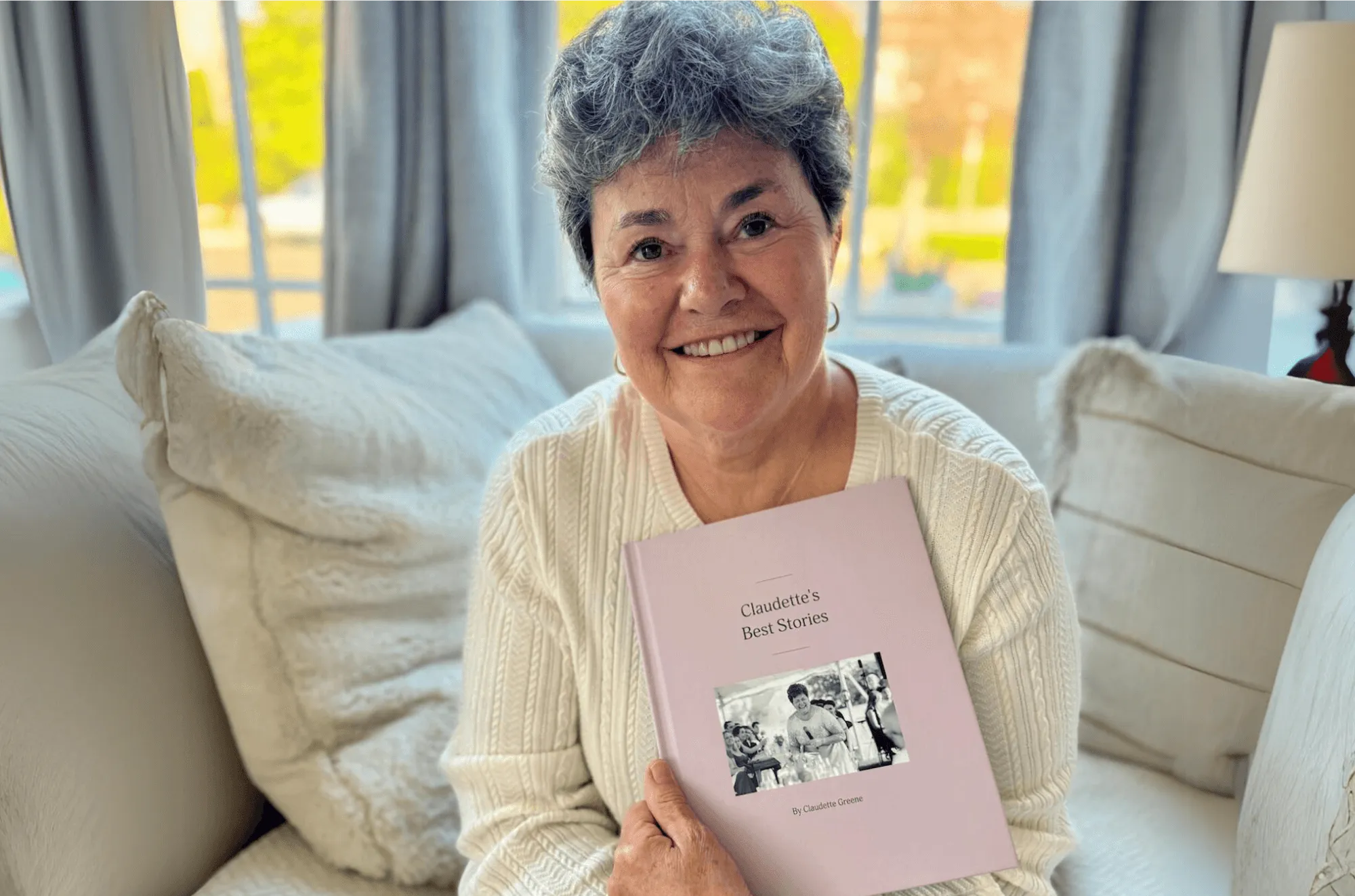
Their stories, forever at your fingertips
Remento’s life story books turn a parent or grandparent’s memories of the past into a keepsake book for the future - no writing required.
Capture priceless family memories today
Join the thousands of families using Remento to preserve family history, all without writing a word.